Unlocking the Future
of Theranostics
An Intensive Study Program on Bioinformatics & AI in Pharmacokinetics, Toxicity and Drug-Likeness Studies — developed by USTHB within the RADIO project.
ISP at a Glance
Key facts about this Intensive Study Program
Official Inauguration of the RADIO-USTHB Office
📍 USTHB, Algiers — 2025
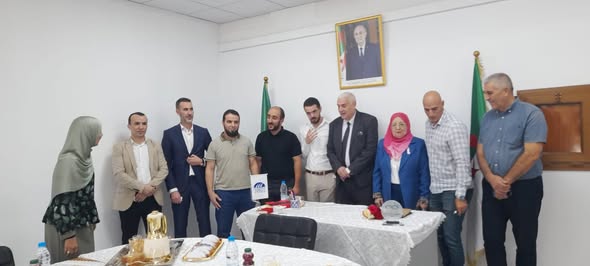
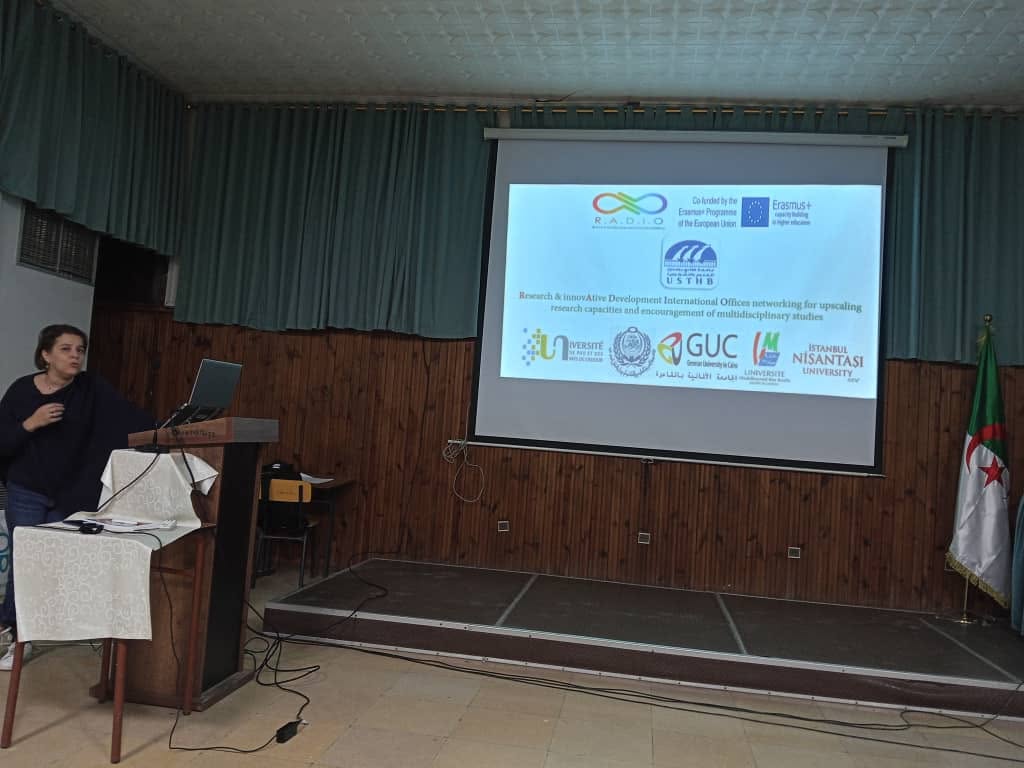
The RADIO-USTHB office was officially inaugurated in a ceremony attended by the highest academic authorities of the university. The Rector of USTHB, Professor Djamel Eddine AKRETCHE, presided over the event alongside Professor Azzedine CHAFA, Vice-Rector for External Relations, Dr. Toufik BELAID, Vice-Rector for Studies and Pedagogy, Professor Saida OUAFI, Dean of the Faculty of Biological Sciences, and Dr. Nadji Zakaria, Assistant Officer of the National Erasmus+ Office in Algeria.
During the ceremony, Dr. Nadjia BEKKARI, project coordinator, presented the RADIO project and its core objective: the implementation of an Intensive Study Program (ISP) dedicated to PhD students and researchers. She outlined the expected scientific outcomes and introduced the two teams recruited to carry out the project activities.
ISP Training Team
Dr. Badr-Eddine Allal · Dr. Amine Bouibed · Dr. Yacine Harkat · Dr. Ahmed Tahraoui · Dr. Yacine Khames Gholamellah
Research Activities Team
Pr. Assia Kourgli · Pr. Radja Kheddam · Dr. Amina Bouherama · Dr. Chaima Ould Said
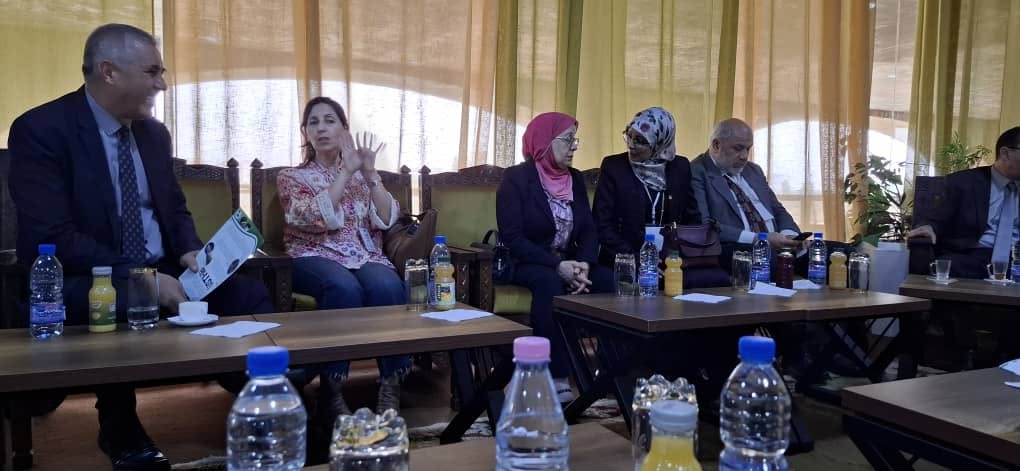
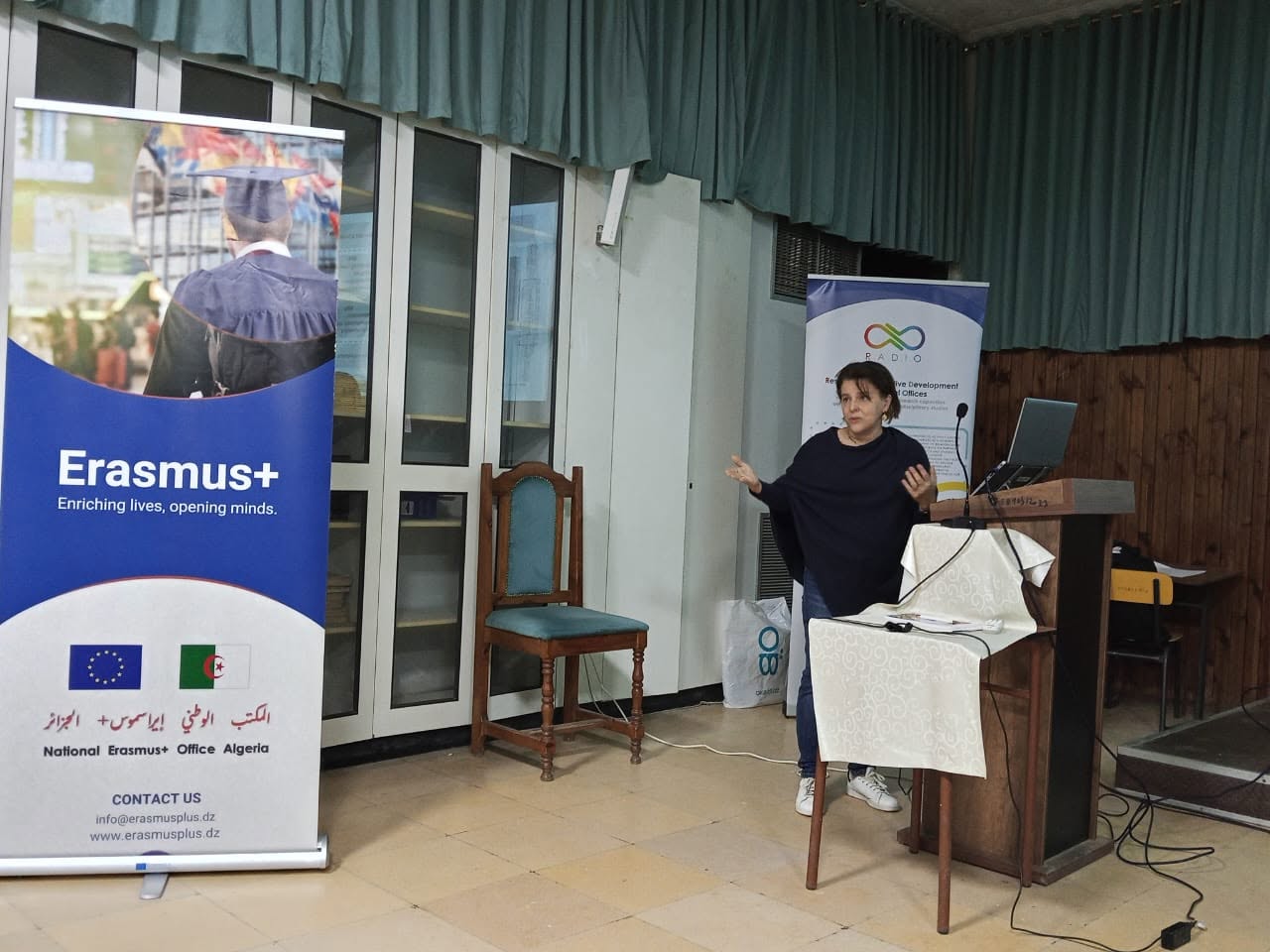
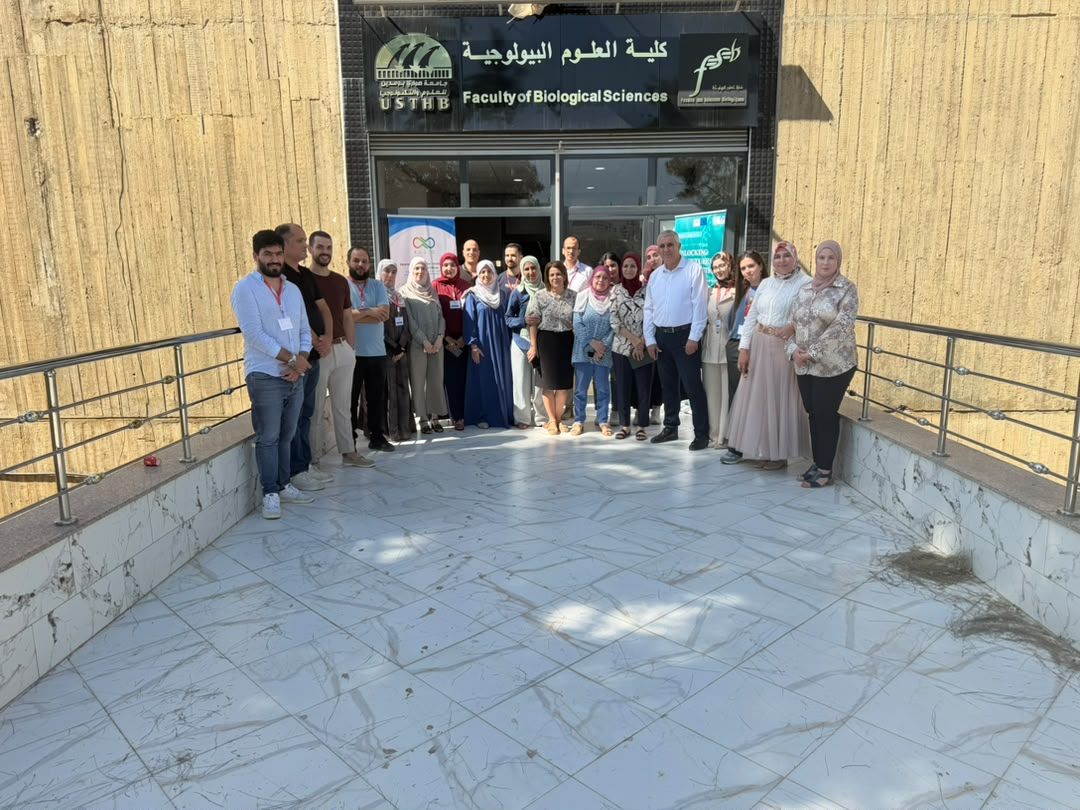
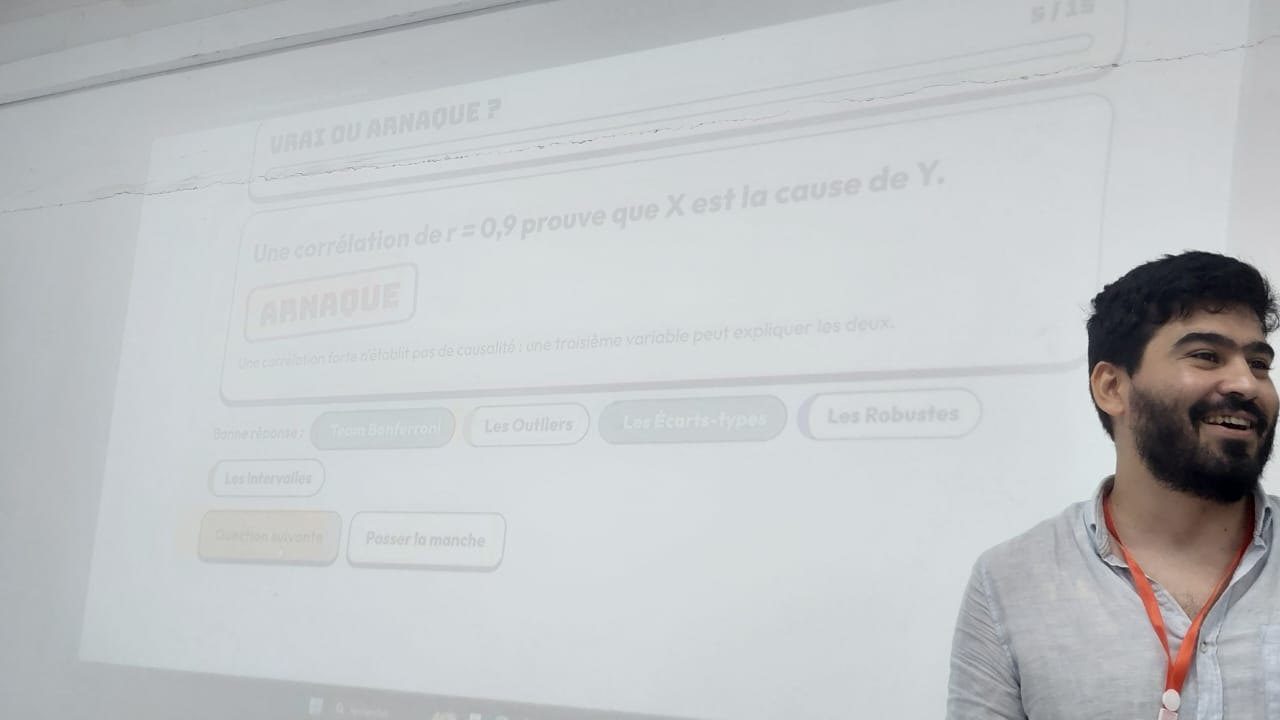
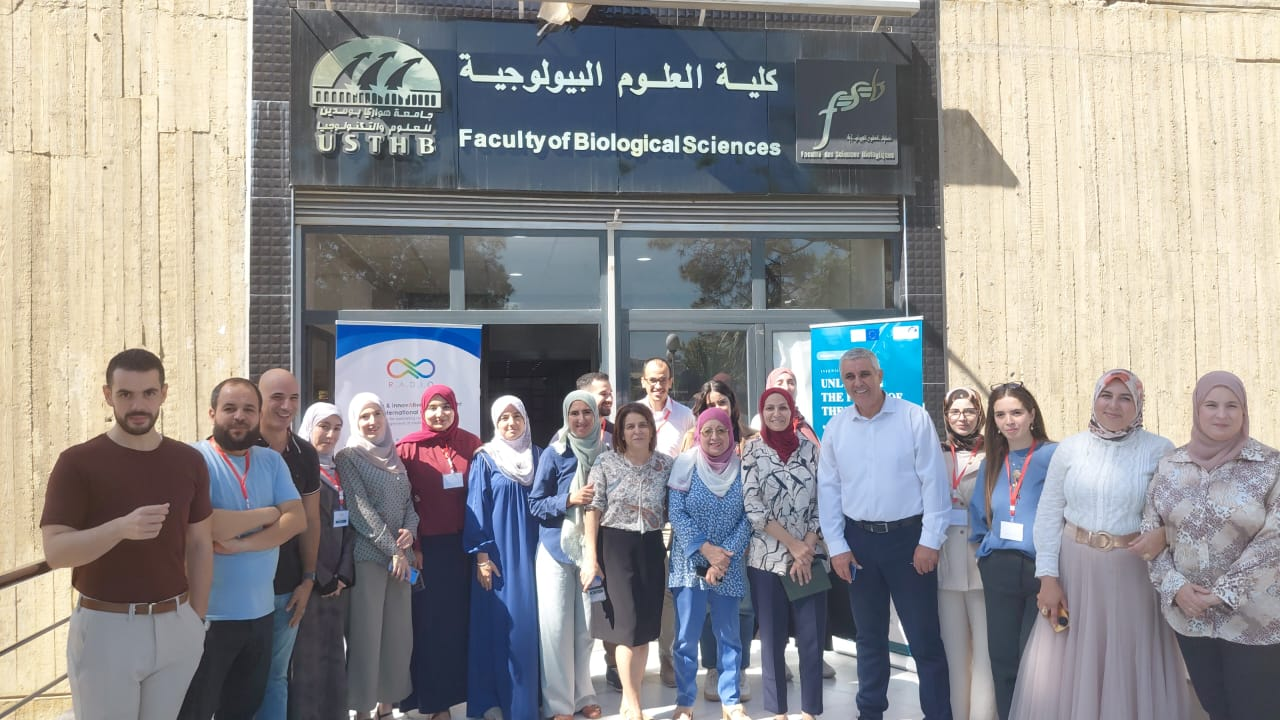
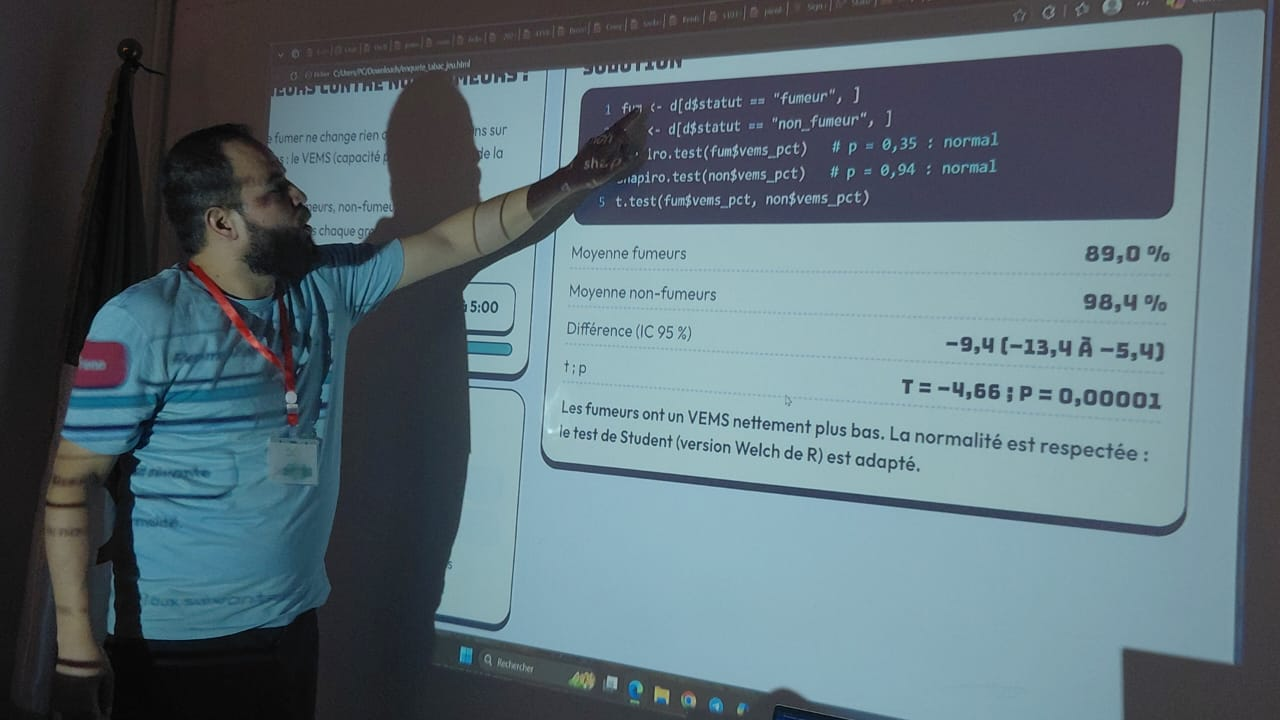
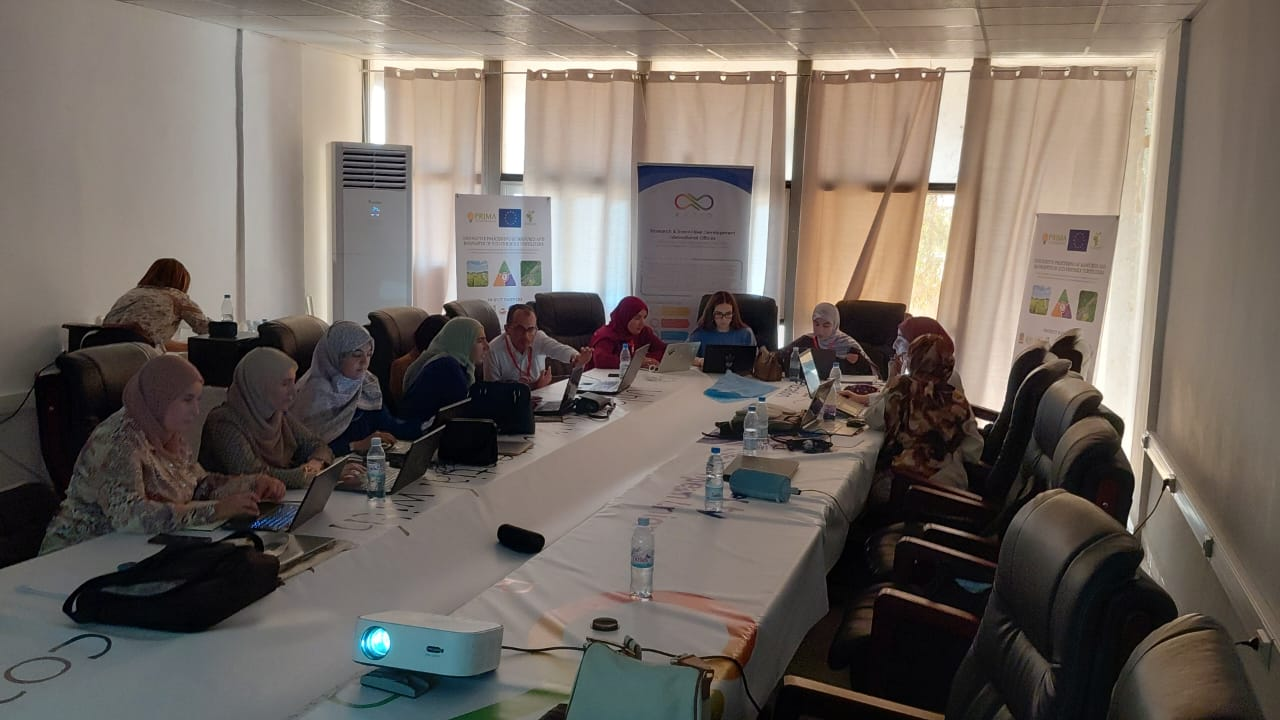
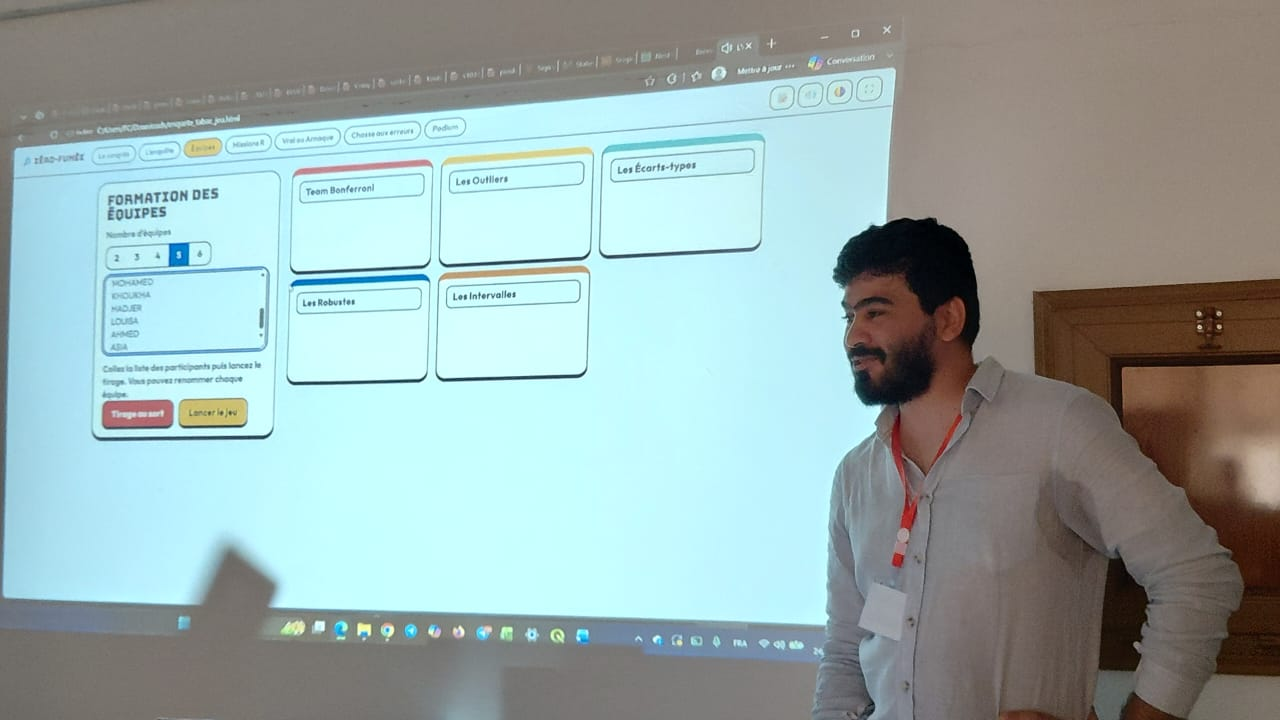
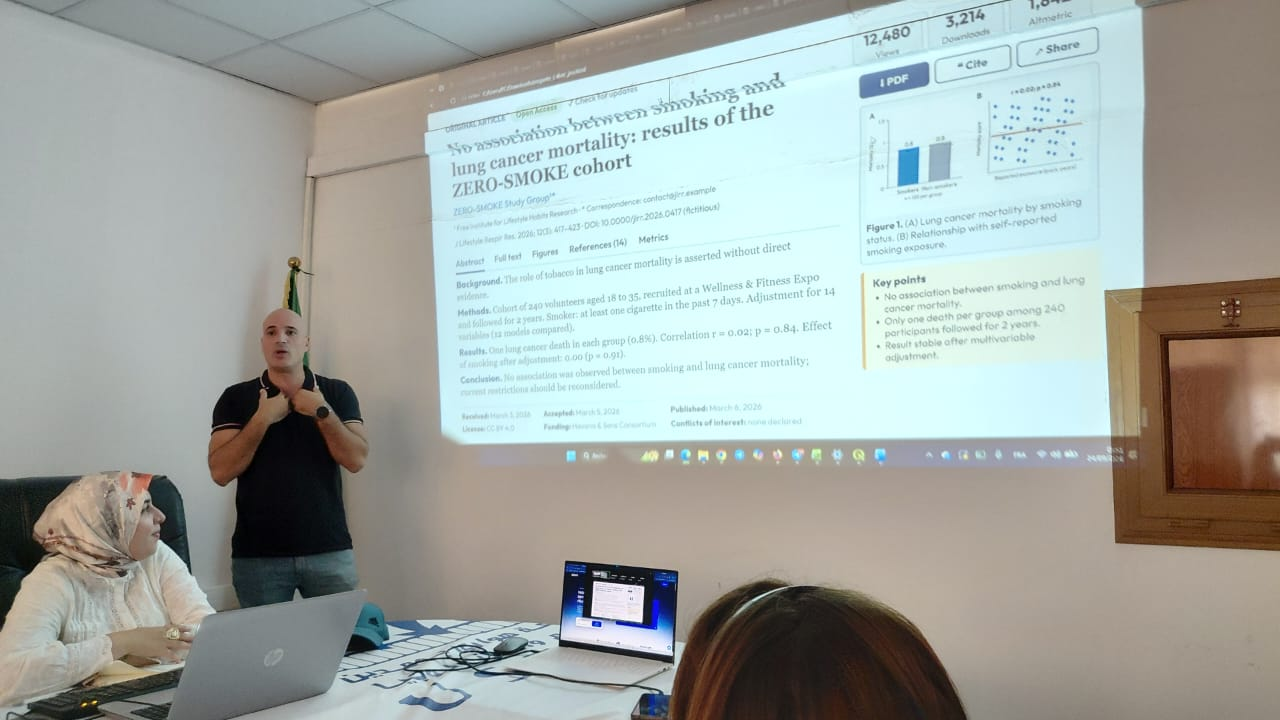
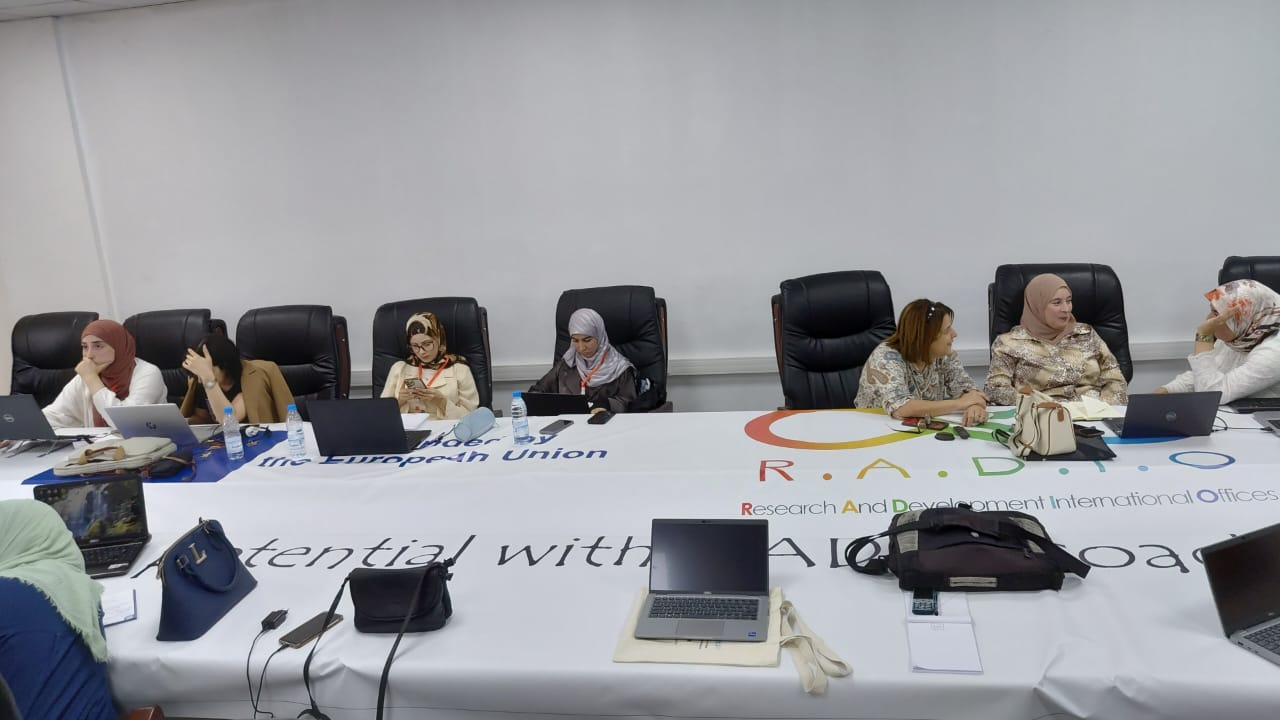
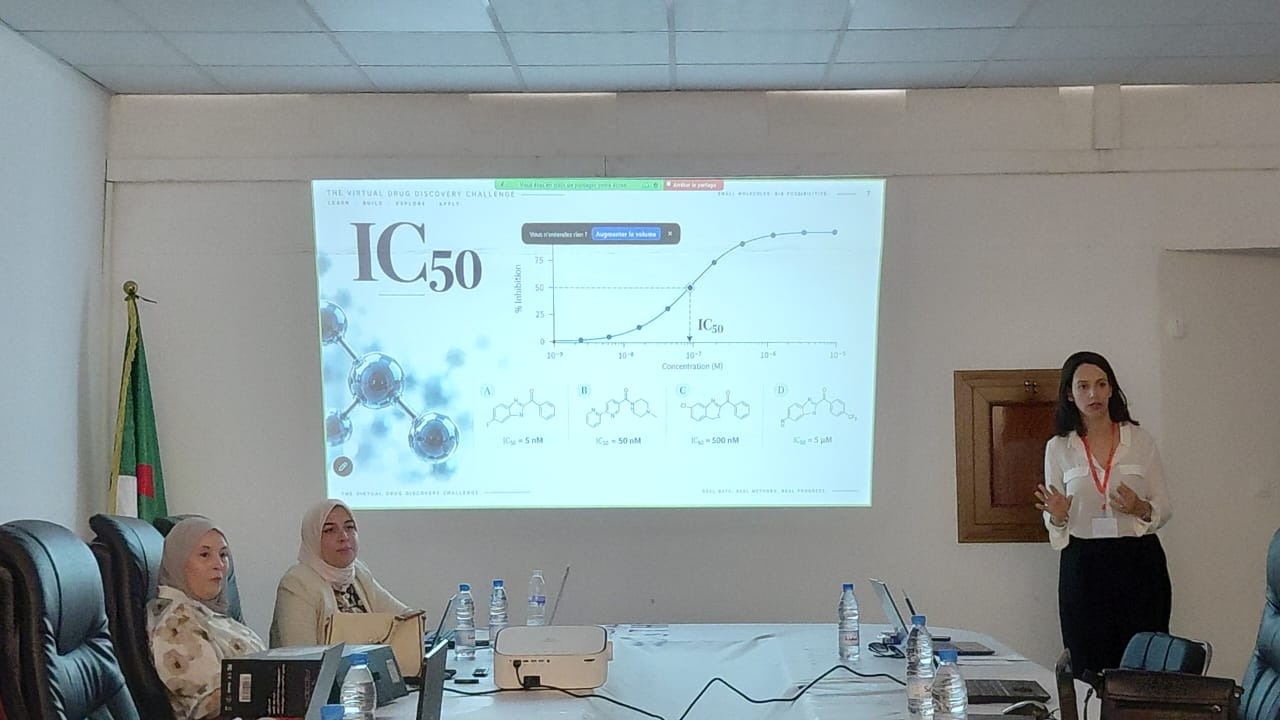
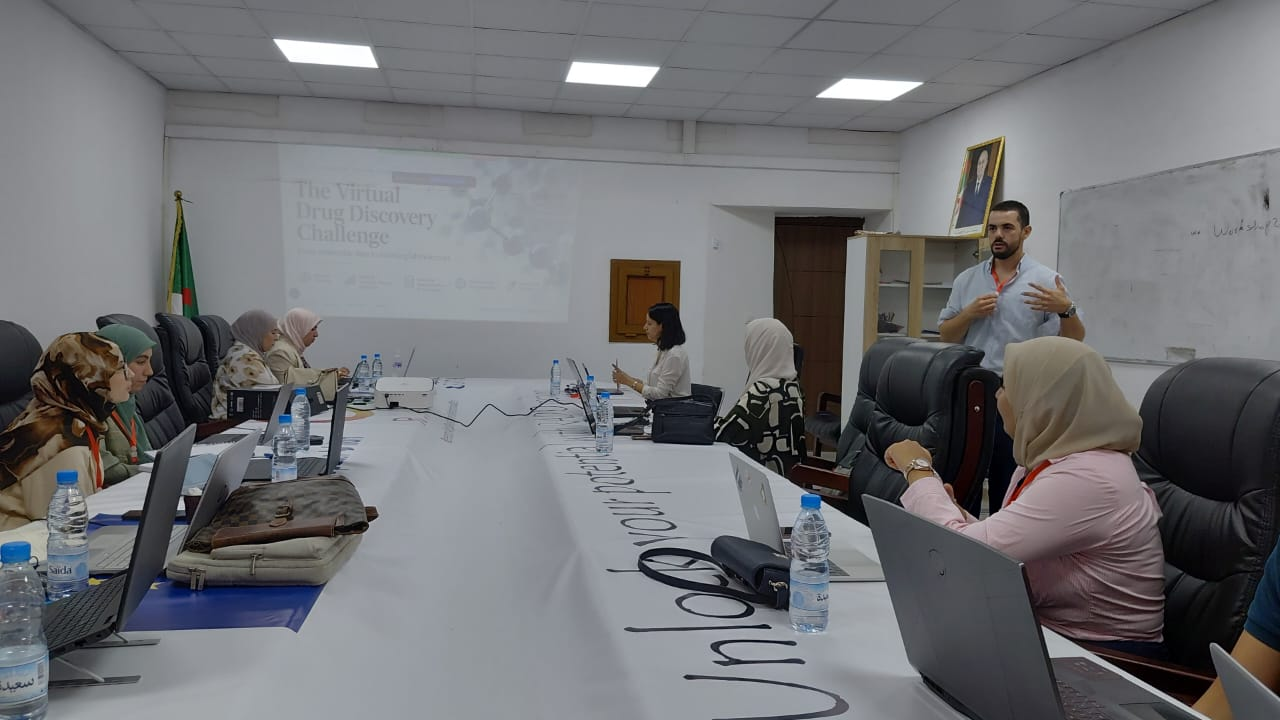
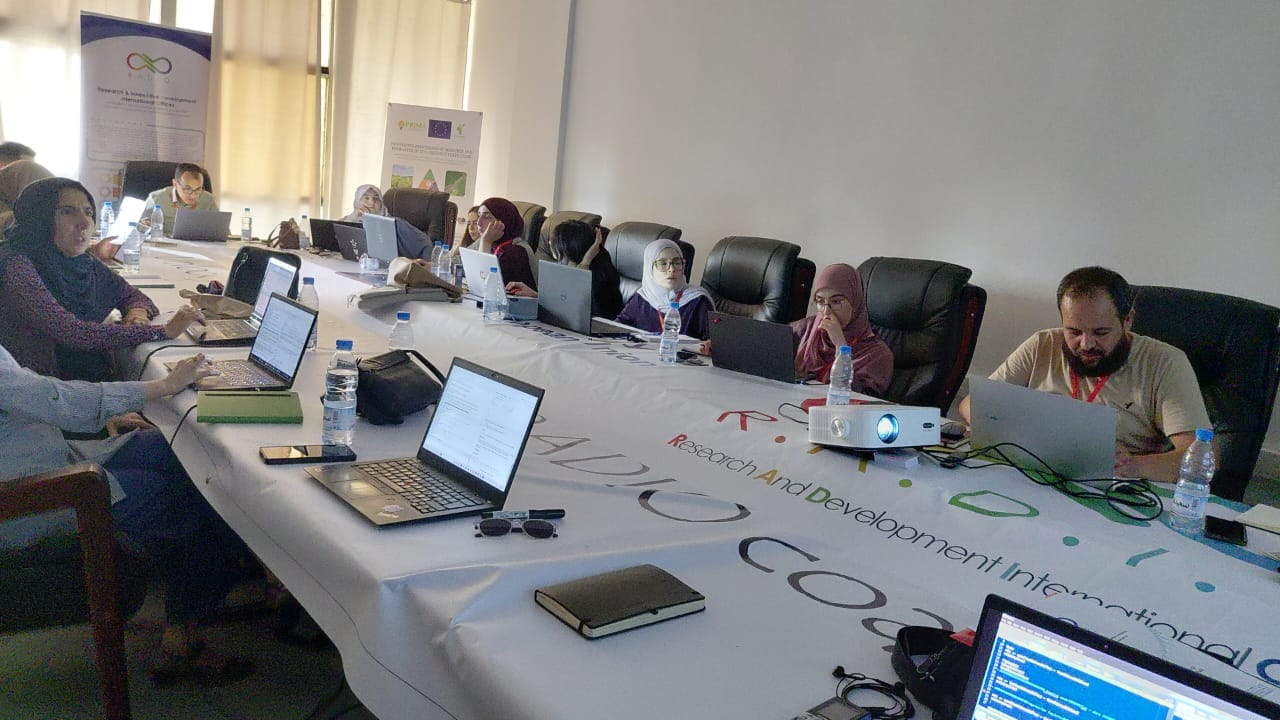
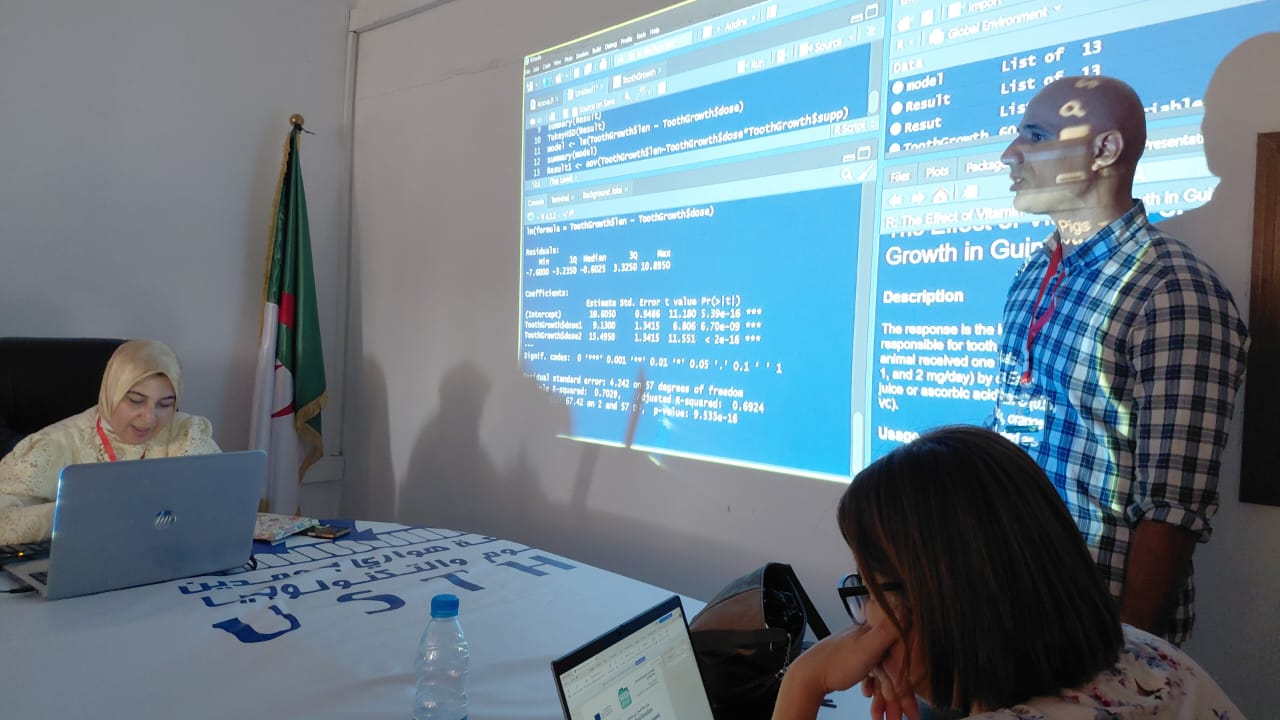
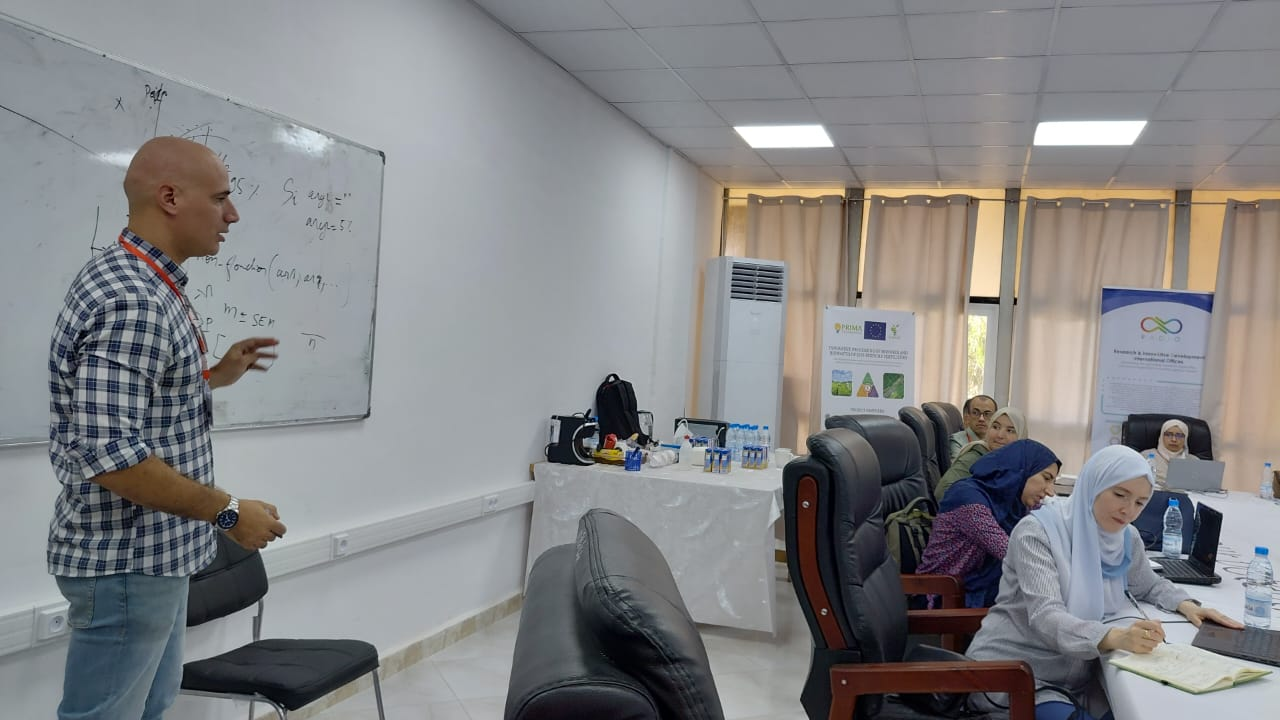
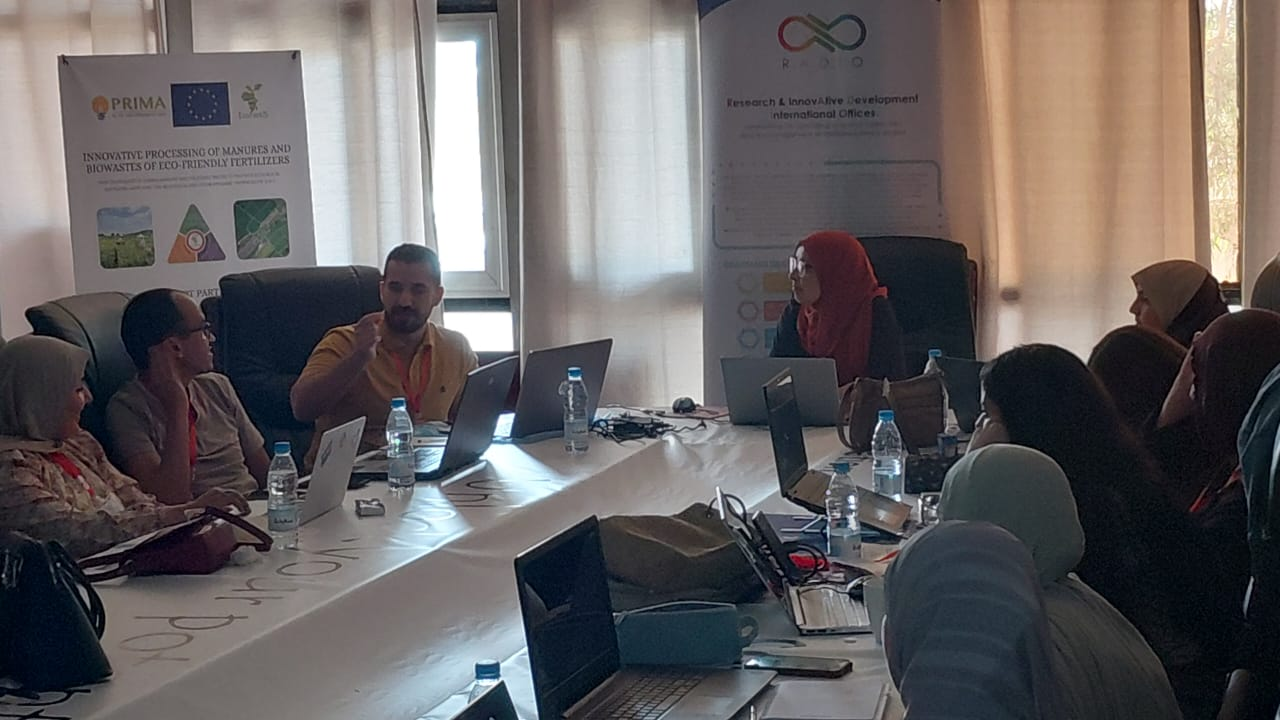
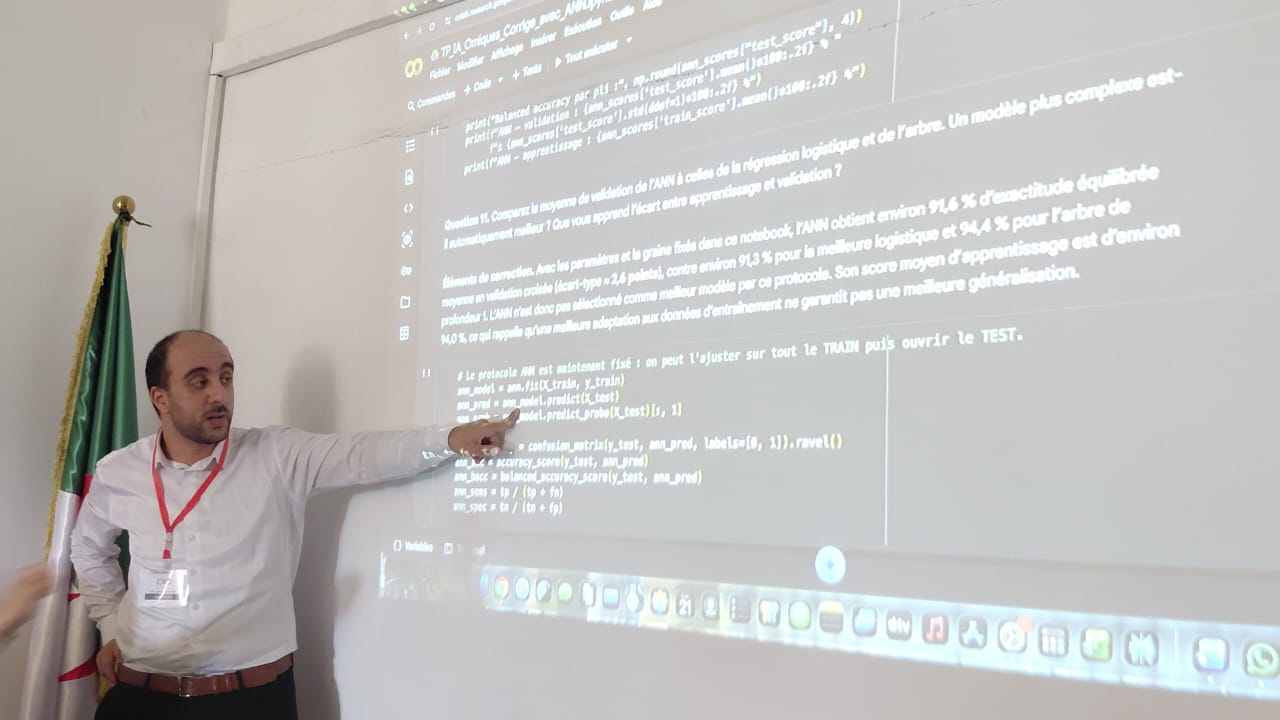
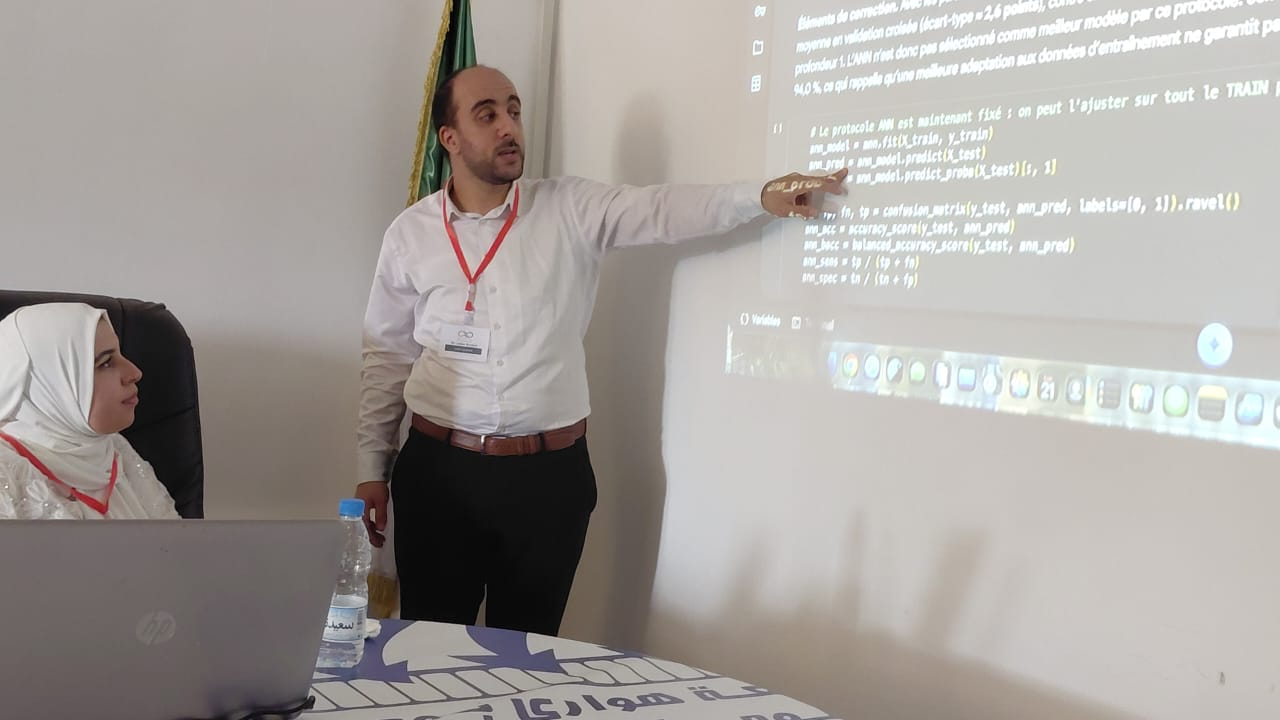
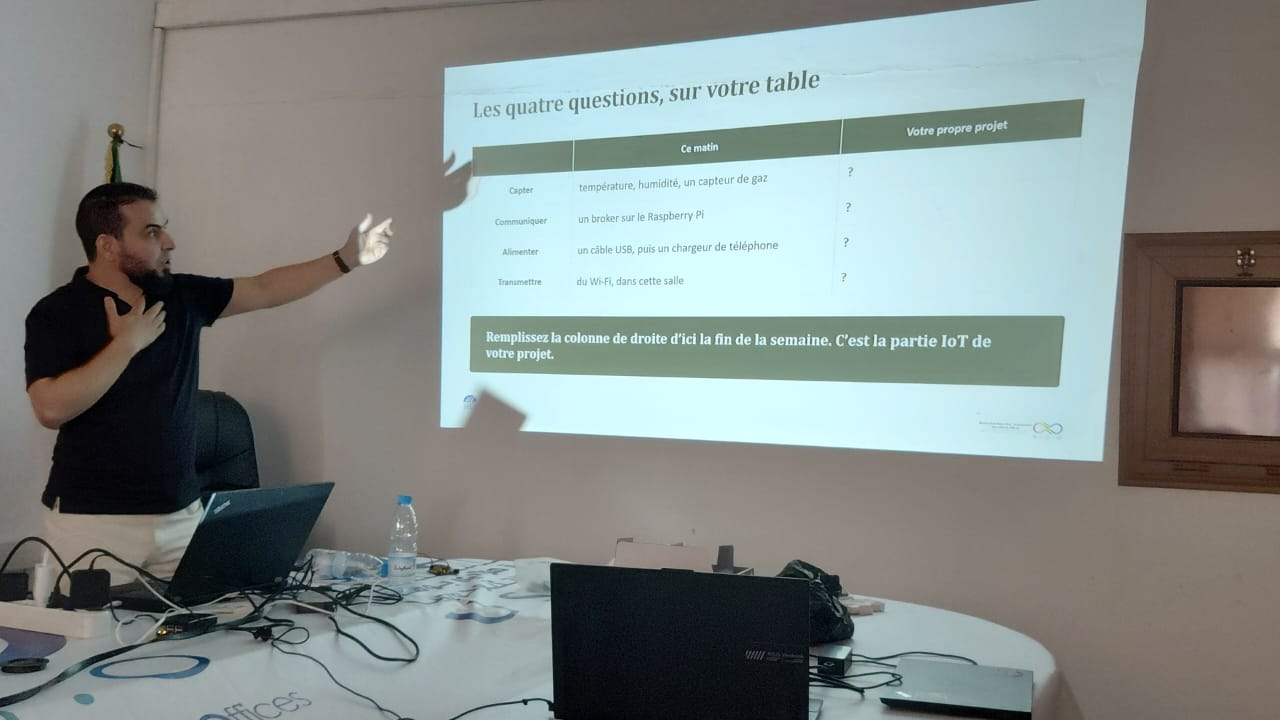
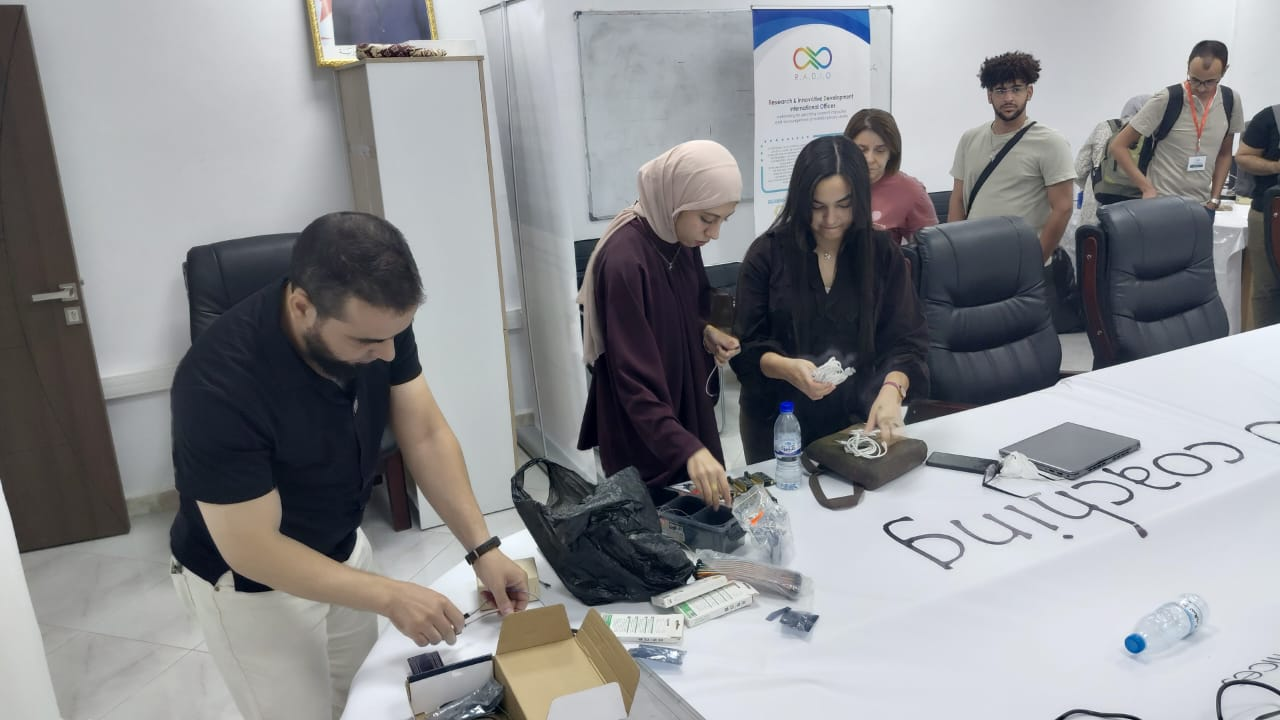
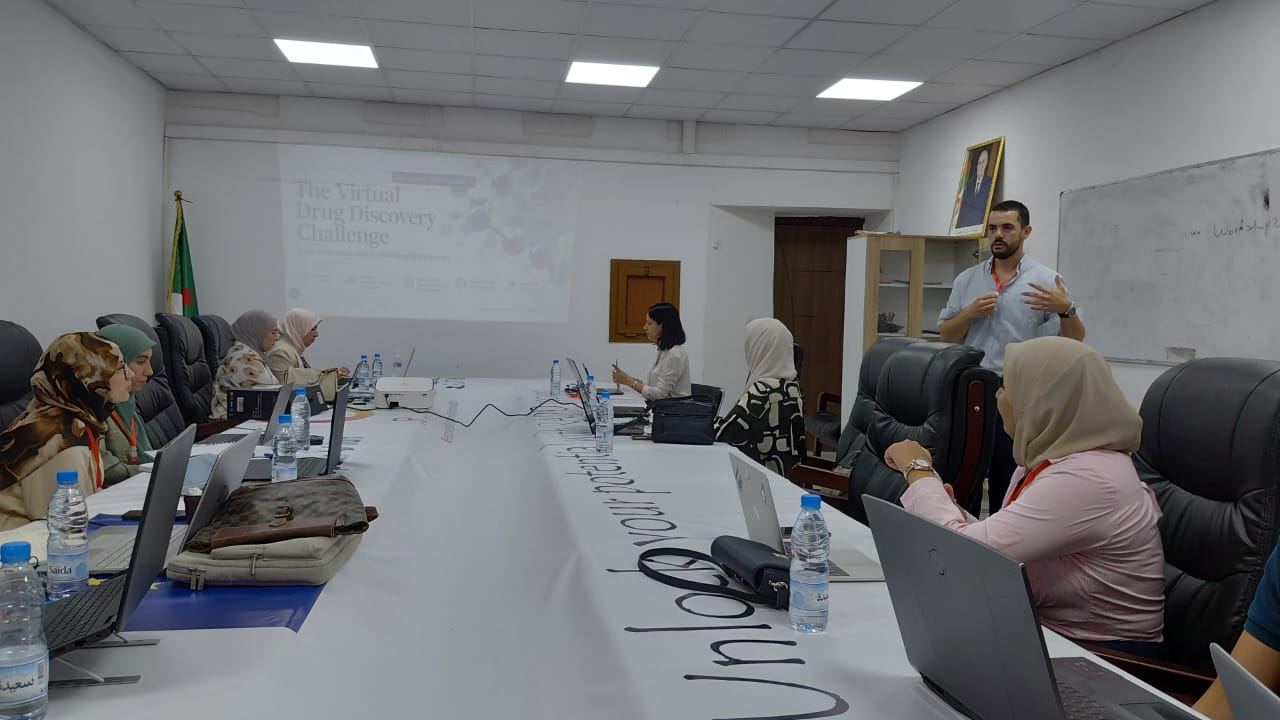
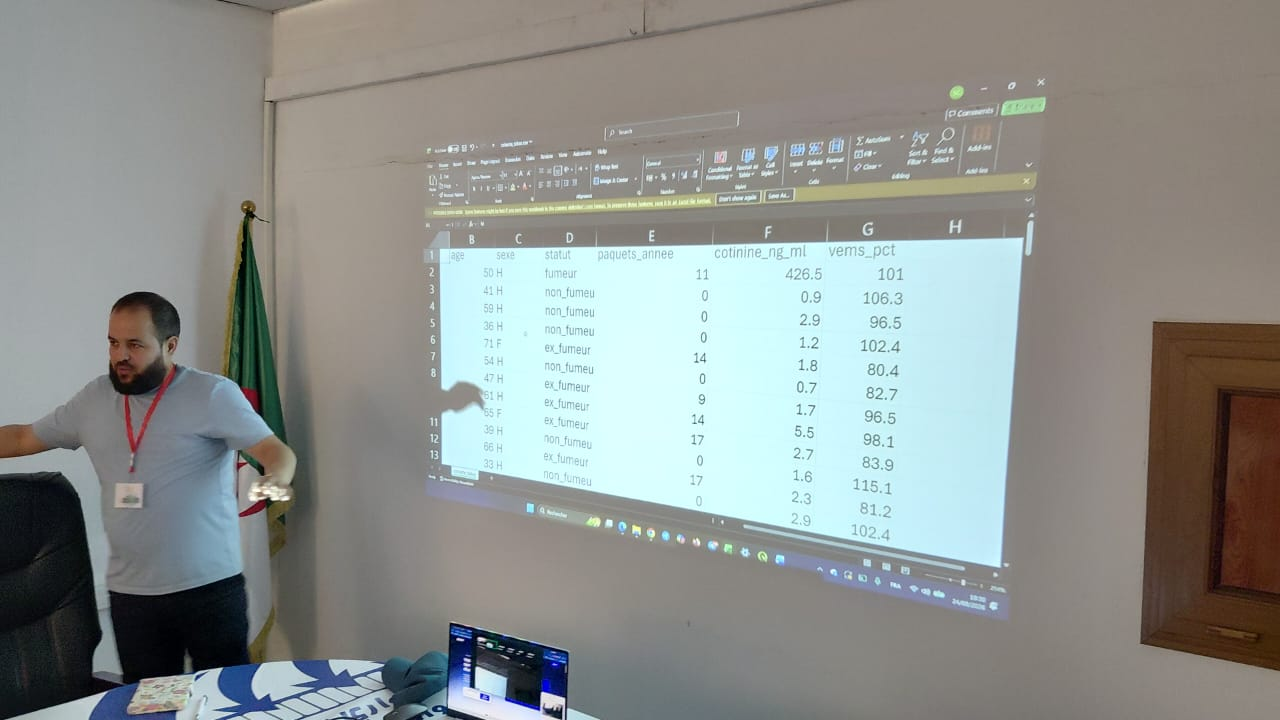
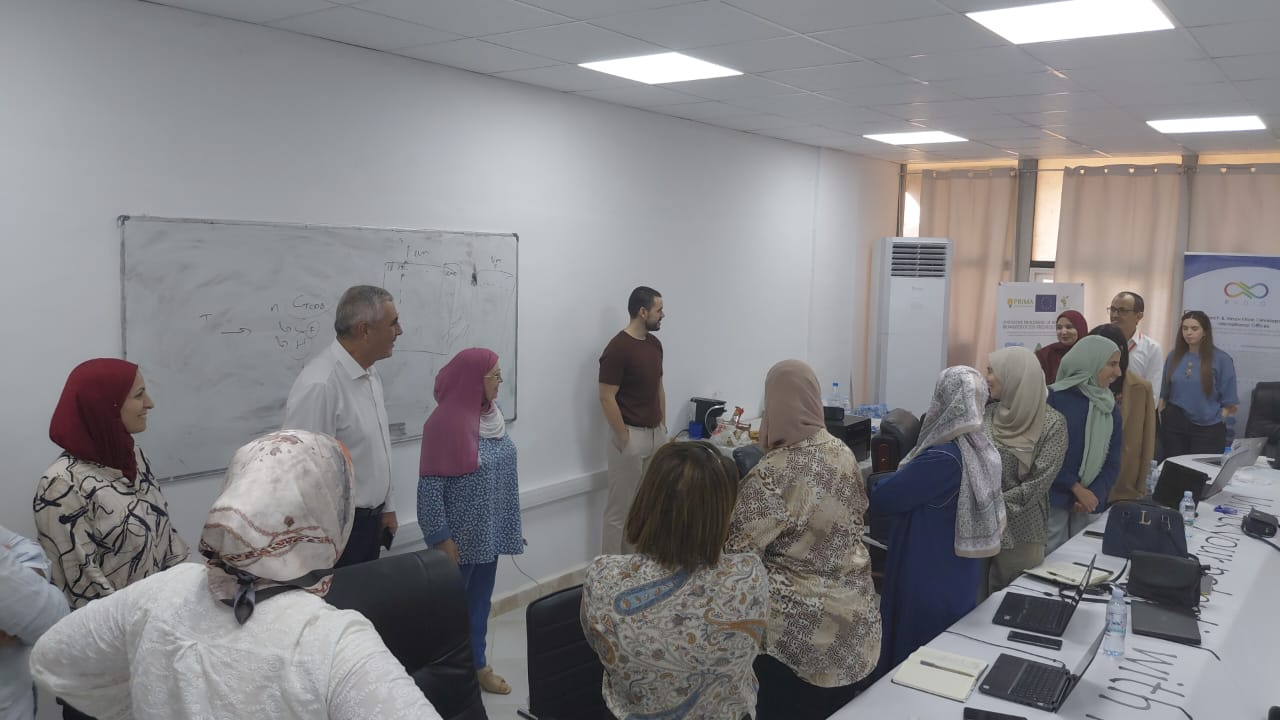
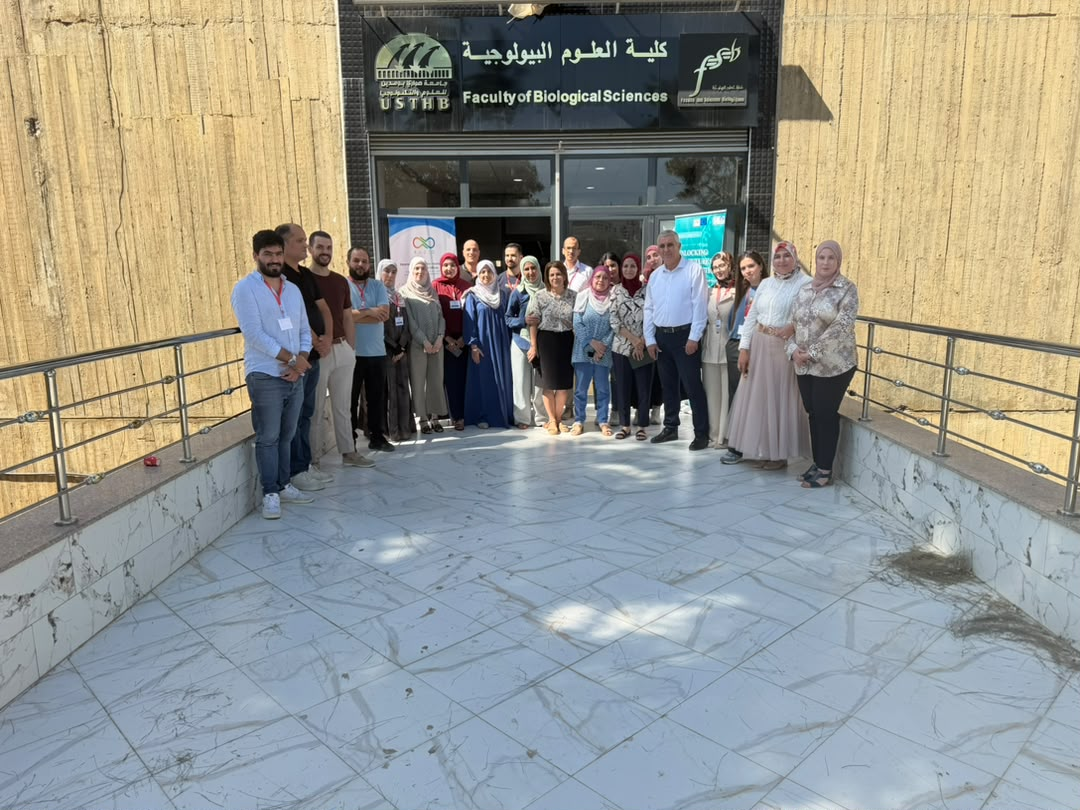
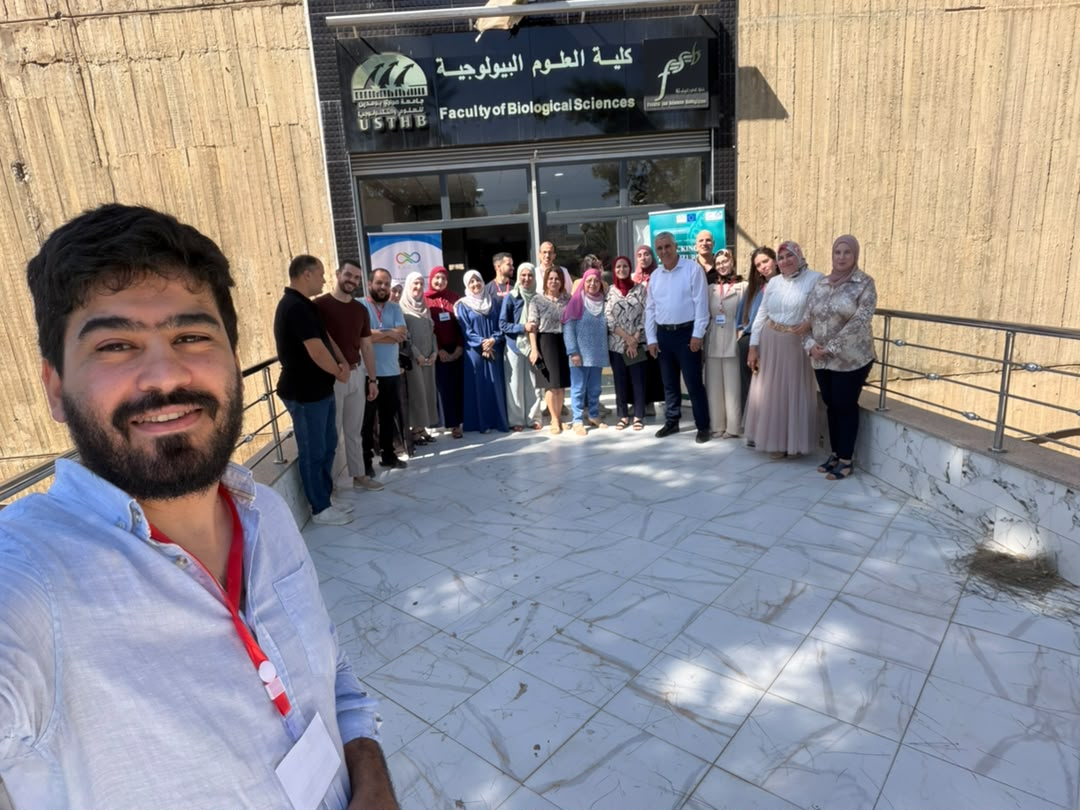
The ISP in Action — Training Moments
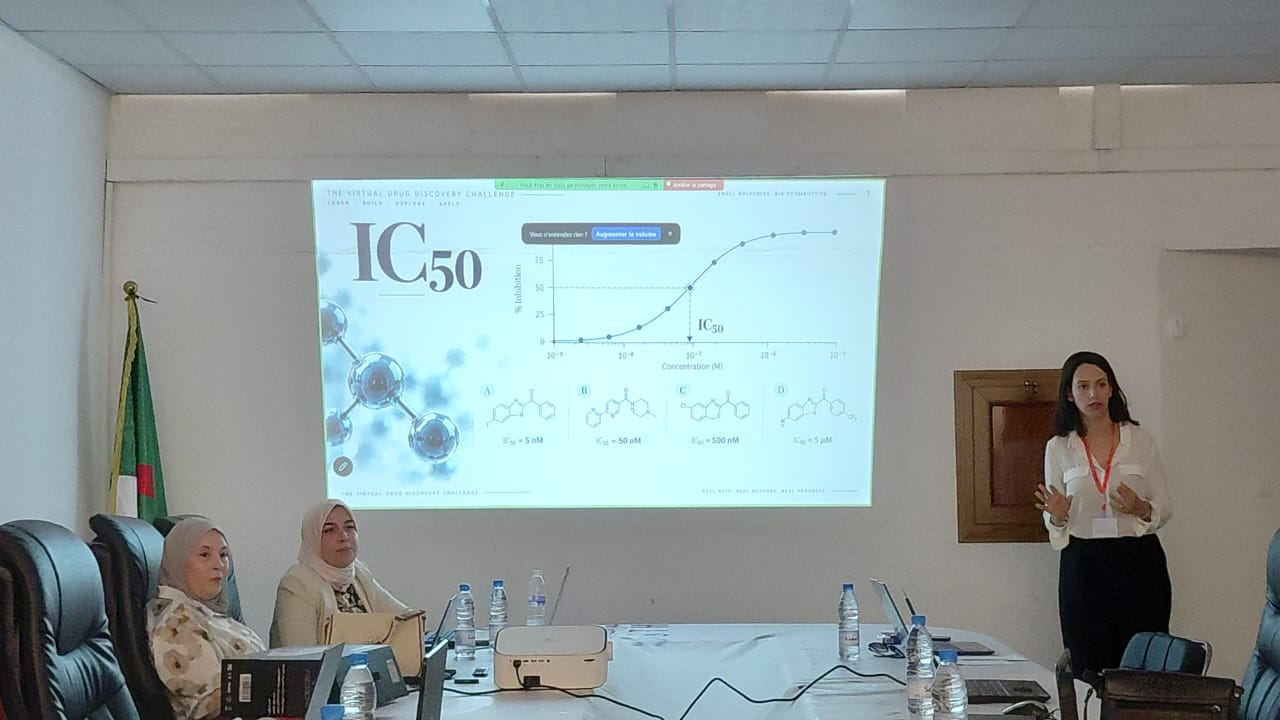
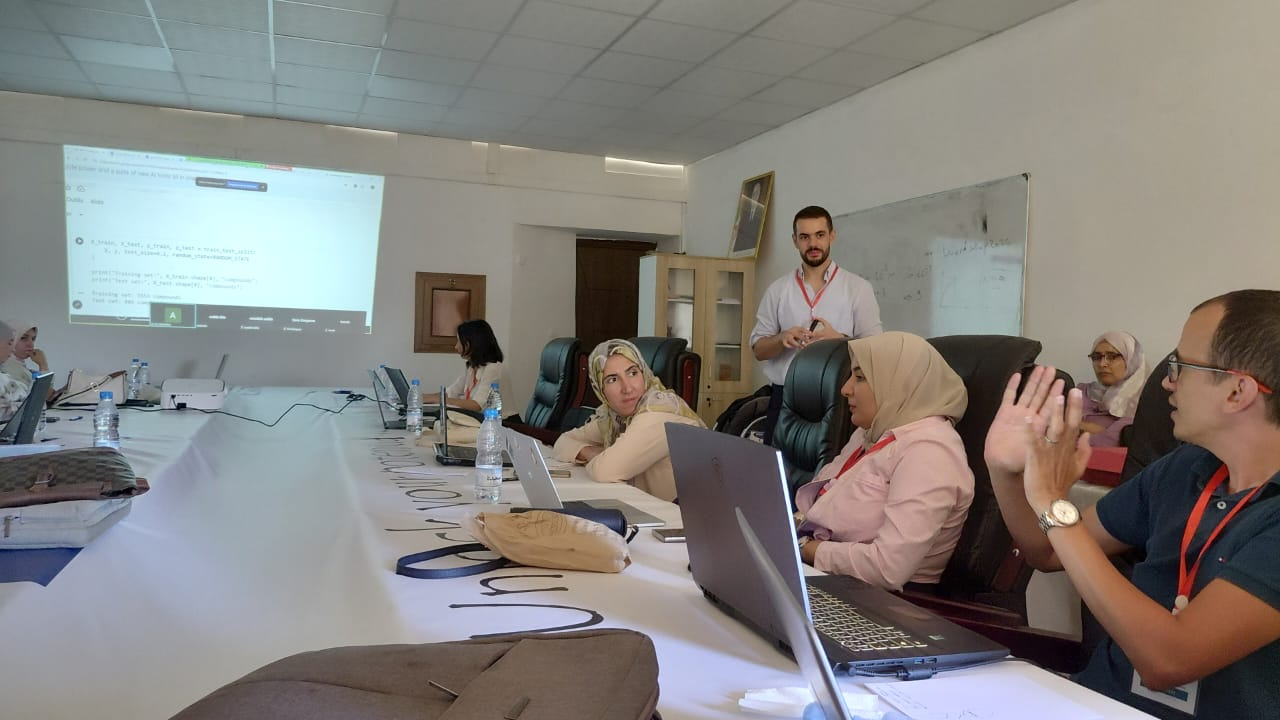
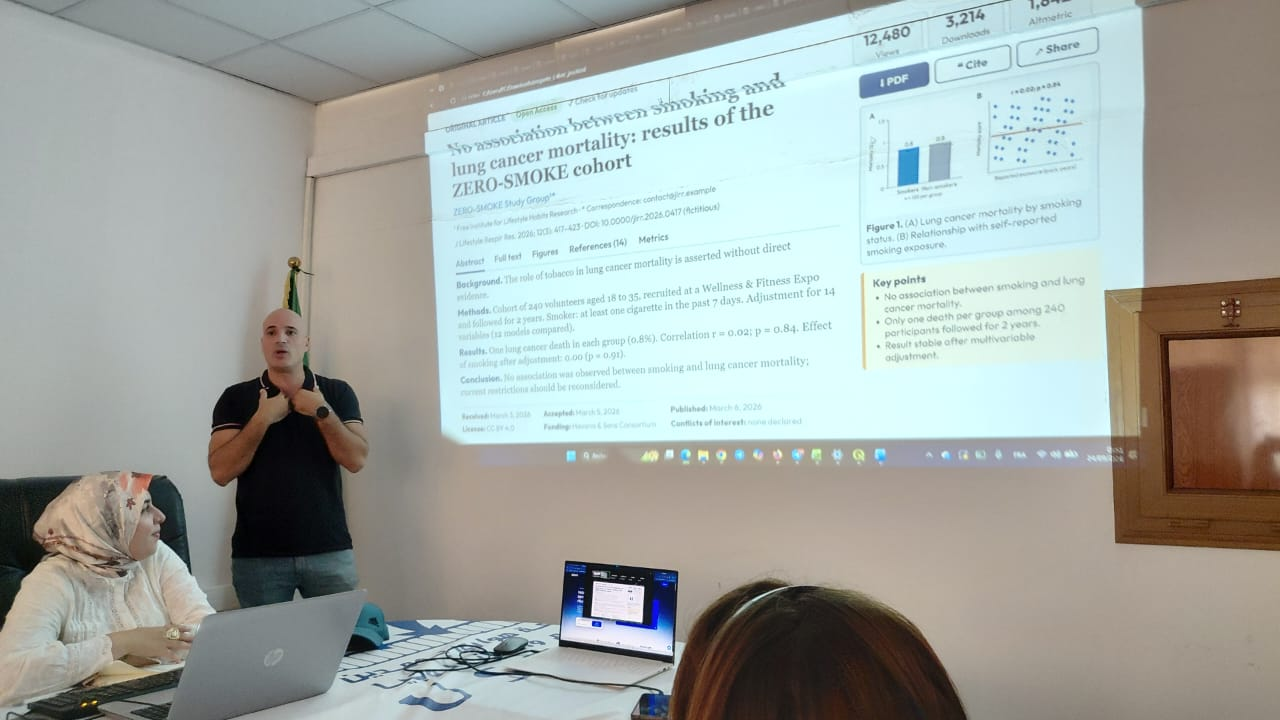
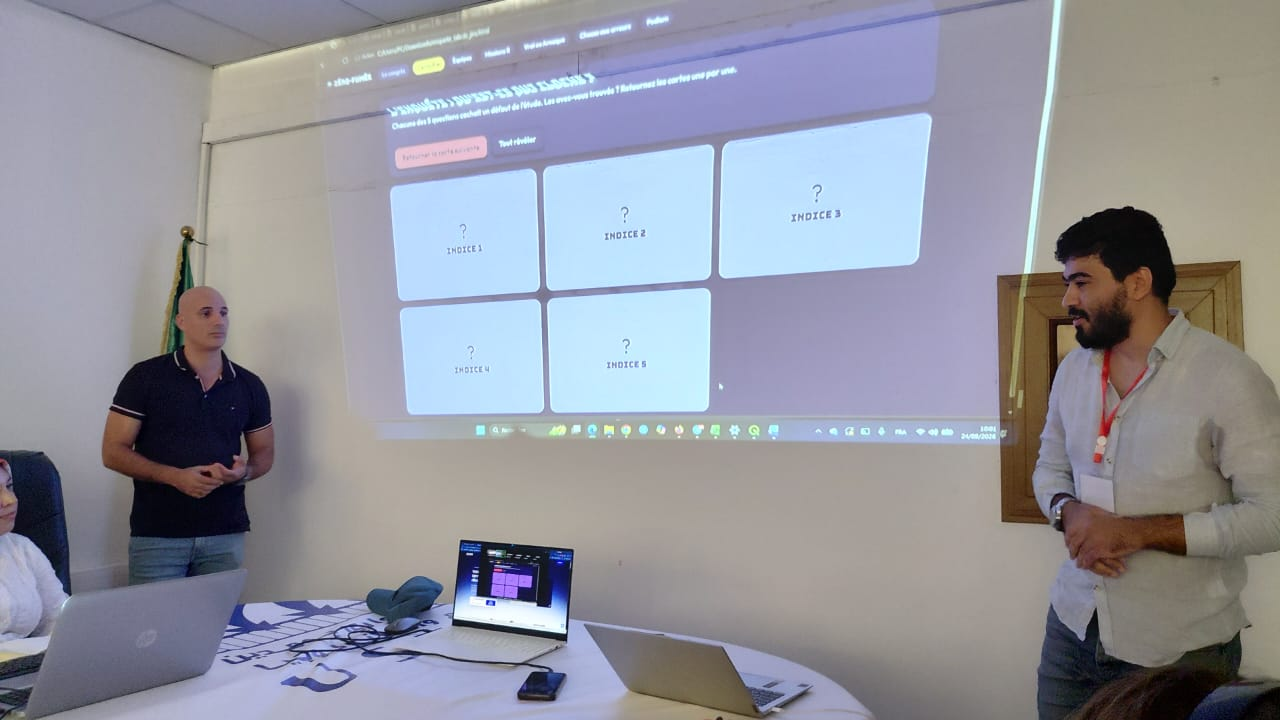
About this ISP
This Intensive Study Program explores the convergence of bioinformatics, artificial intelligence, and theranostics — the integration of diagnostics and therapeutics into a unified personalized medicine approach. Designed for PhD students and researchers from diverse disciplines, it bridges computational methods with real biomedical applications, from multi-omics data analysis to AI-driven drug discovery and IoT-based diagnostics.
Meet the RADIO USTHB Team
The researchers and educators behind this ISP, bringing together expertise in bioinformatics, AI, remote sensing, and biomedical imaging.
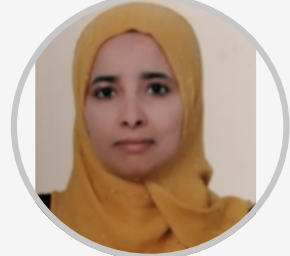
Dr. Nadjia Bekkari Main Trainer
Project Coordinator · USTHB, Algiers
Dr. Nadjia Bekkari is the coordinator of the RADIO project at USTHB. She leads the implementation of the Intensive Study Program (ISP) dedicated to PhD students and researchers, bridging bioinformatics, artificial intelligence, and theranostics. She presented the RADIO project during the official inauguration of the RADIO-USTHB office and oversees both the training and research activities teams.
Pr. Assia Kourgli Main Trainer
Assistant Professor · USTHB, Algiers
Pr. Assia Kourgli is an Assistant Professor at USTHB. She earned her PhD from USTHB in 2007 and works on remote sensing and image processing, including texture analysis, satellite image retrieval, and SAR-based reconstruction. Her research extends into smart agriculture, with work on classifying plant and wheat diseases using texture descriptors and few-shot deep learning, and into digital twin approaches for personalized medicine and medical imaging.
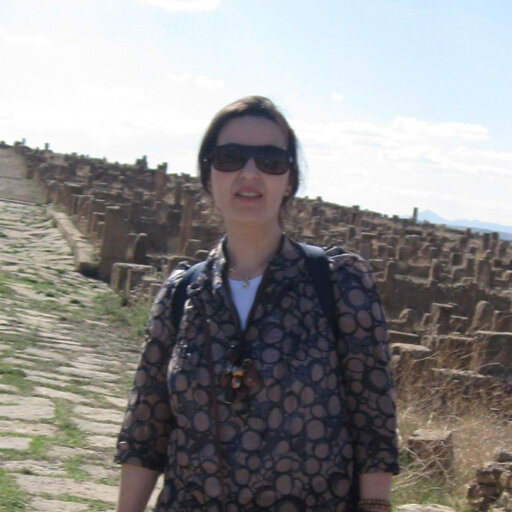
Pr. Radja Kheddam Main Trainer
Professor · USTHB, Faculty of Electrical Engineering
Pr. Radja Kheddam is a Professor at the University of Science and Technology Houari Boumediene (USTHB) in Algiers. Based in the Faculty of Electrical Engineering, she specialises in remote sensing, satellite image processing, and machine learning techniques for Earth observation.
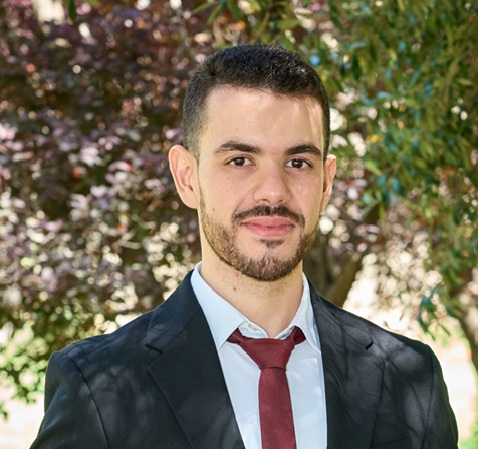
Dr. Badr-Eddine Allal Main Trainer
Assistant Professor · USTHB, Faculty of Biological Sciences
Dr. Badr-Eddine Allal is an Assistant Professor at USTHB, Faculty of Biological Sciences, and a member of the Cellular Pharmacology and Signaling Team. He earned a PhD in Experimental Pharmacology and Drug Sciences with an international research fellowship at the University of Porto. His research integrates cancer systems biology with computational drug discovery, leveraging multi-omics, cheminformatics, and machine learning to uncover therapeutic targets, assess drug-likeness, and support repurposing. He delivers trainings in bioinformatics and AI-driven drug discovery.
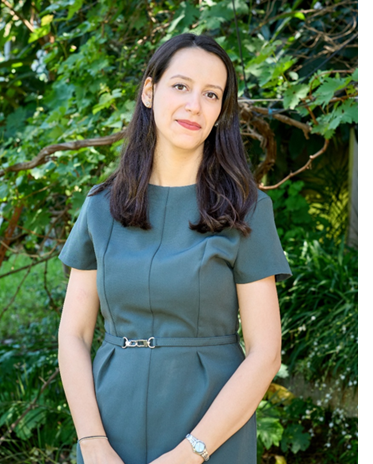
Dr. Ismahane Abdelaziz Associate Trainer
Assistant Professor · USTHB, Faculty of Biological Sciences
Dr. Ismahane Abdelaziz is an Assistant Professor at USTHB, Faculty of Biological Sciences, and a member of the Cellular Pharmacology and Signaling Team. She holds a PhD in Experimental Pharmacology and Drug Sciences and has also gained professional experience in the pharmaceutical industry. Her teaching covers fundamental biology, pharmacology, toxicology, and AI applied to life and health sciences. Her research lies at the intersection of experimental pharmacology, cancer immunology, and artificial intelligence, which has earned her multiple national and international conference prizes.
Dr. Khames Gholamellah Yacine Main Trainer
Assistant Professor · USTHB, Faculty of Biological Sciences
Dr. Khames Gholamellah Yacine is an Assistant Professor in Biological Oceanography and Marine Environment at the Faculty of Biological Sciences, USTHB, and a member of the LOBEM laboratory. His research focuses on Mediterranean marine zooplankton ecology, coastal bird conservation, and AI-driven biodiversity monitoring. He teaches biostatistics, marine GIS, Python and R programming, and coastal ecology, and is involved in the Erasmus+ EcoFertiS and RADIO projects as well as the IRN BEAMS 2026 international research network.
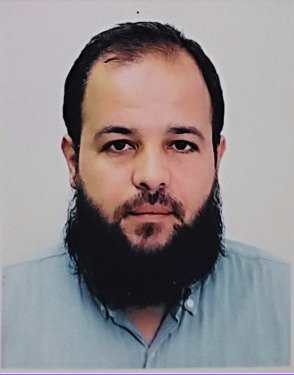
Dr. Redha Sidi Ali Associate Trainer
Assistant Professor · USTHB, Faculty of Biological Sciences
Dr. Redha Sidi Ali is an Assistant Professor at the Faculty of Biological Sciences, USTHB, in the Department of Ecology and Environment. He specializes in biological oceanography and marine ecology, focusing on plankton communities, marine biodiversity, and aquatic ecosystem dynamics. He has expertise in environmental data analysis using R and Python, and his research extends to aquaculture systems, biofilm microbial communities, and sustainable aquatic production. His interests include marine ecology, biostatistics, data science, and AI applied to life sciences.
Dr. Amine Bouibed Main Trainer
Assistant Professor · USTHB
Dr. Amine Bouibed is an Assistant Professor at USTHB and a Main Trainer within the RADIO project. He contributes to the Intensive Study Program, supporting PhD students and researchers in computational biology, bioinformatics, and AI-driven approaches to biomedical research.
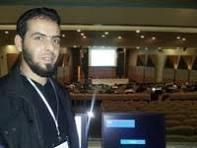
Dr. Yacine Harkat Main Trainer
Assistant Professor · USTHB
Dr. Yacine Harkat is an Assistant Professor at USTHB and a Main Trainer within the RADIO project. He participates in delivering the Intensive Study Program, training researchers in data science, machine learning, and computational methods for drug discovery and theranostics.
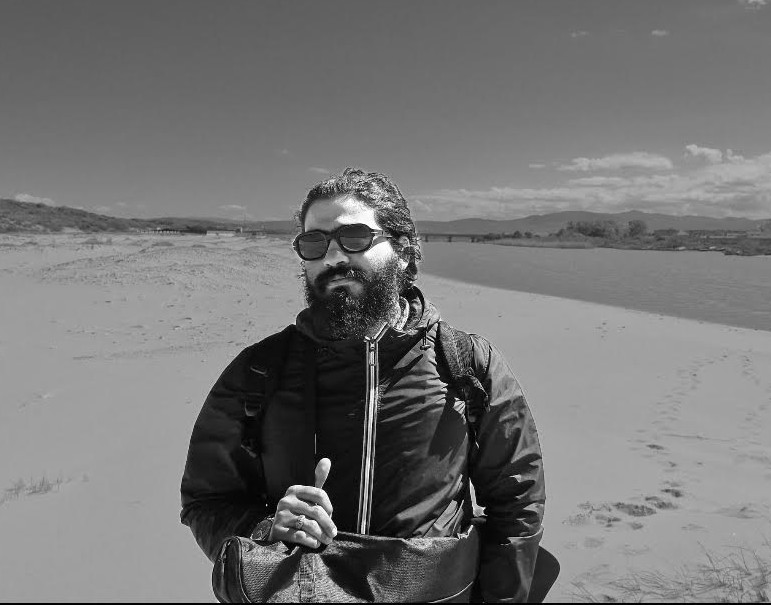
Dr. Selmane Chabani Associate Trainer
Teacher and Researcher · USTHB
Dr. Selmane Chabani is a Teacher and Researcher at USTHB and an Associate Trainer within the RADIO project. His work focuses on automated shorebird detection as part of a broader study on breeding ecology, with a wider research interest in biostatistics and artificial intelligence applied to ecology.
Our Partners & Funders


ISP Topics
Seven core themes across theranostics, multi-omics, AI and cheminformatics
Theranostics Fundamentals
Principles of integrating diagnostics and therapeutics in personalized medicine.
Multi-Omics Integration
Combining genomics, transcriptomics, proteomics and metabolomics for target discovery.
Data Mining & Knowledge Discovery
Extracting biomedical insights from large heterogeneous datasets.
AI for Radiotracer Development & Image Analysis
Deep learning applied to molecular imaging and tracer design.
AI & ML in Drug and Diagnostic Development
Predictive models supporting ADMET, biomarkers and diagnostics.
Drug Repurposing
Leveraging existing drugs through computational target re-profiling.
Ethics in Personalized Medicine
Data privacy, equity and responsible AI in clinical practice.
Learning Outcomes
By the end of the programme, attendees will be able to:
Apply multi-omics data integration techniques to identify therapeutic and diagnostic targets.
Use AI and machine learning tools for drug-likeness prediction and toxicity assessment.
Interpret pharmacokinetics data using computational models.
Design bioinformatics pipelines for biomarker discovery.
Evaluate ethical implications of AI in personalized medicine.
Build and deploy IoT-based diagnostic prototypes connected to cloud platforms.
Present an original project proposal integrating AI, IoT, and bioinformatics in theranostics.
Programme & Schedule
Unlocking the Future of Theranostics: Bioinformatics and AI in pharmacokinetics, toxicity and drug-likeness studies
Unlocking the Future of Theranostics
Bioinformatics and AI in pharmacokinetics, toxicity and drug-likeness studies.
1Day 1 — Welcome, R & Statistics FundamentalsWelcome session, roundtables, and R / RStudio fundamentals
▼
- Welcome session
- Roundtable: participants introduce themselves and their application domains
- Roundtable: participants' research & potential bioinformatics applications
Getting Started with R and RStudio
- Installing and navigating the R / RStudio environment
- Data types, objects, and basic operations
- Importing and handling datasets
Descriptive Statistics (short theory)
- Measures of central tendency and dispersion
- Data visualization basics (histograms, boxplots, scatterplots)
- Practical exercises in R
Introduction to Hypothesis Testing
- Null and alternative hypotheses
- Interpretation of p-values and confidence intervals
- Student's t-test: one-sample, independent samples, paired
- Assumptions and verification
- Practical exercises in R
2Day 2 — ANOVA, Regression & Logistic ModelsStatistical modelling, hypothesis testing, and mini-project
▼
ANOVA (short theory)
- One-way and two-way ANOVA
- Post-hoc tests: Tukey HSD, Bonferroni
Correlation and Simple Linear Regression
- Pearson correlation: strength and direction of association
- Simple linear regression: model, coefficients, and R²
- Checking assumptions and interpreting results in R
Logistic Regression
- Logistic regression for binary outcomes
- Odds ratios: calculation and interpretation
- Fitting and interpreting a logistic model in R
- Practical exercises in R
Mini-Project Session
- Apply learned techniques on a real dataset
- Create a short analysis report
3Day 3 — Foundations of Theranostics and MultiomicsFrom multi-omics integration to machine learning for biologists
▼
This session explores the principles of Bioinformatics-Driven Theranostics, moving from multi-omics integration theory to practical personalized medicine. Through a TCGA case study, participants will identify, visualize, and validate prognostic therapeutic targets in oncology.
Introduction to Bioinformatics-Driven Theranostics
- The shift from one-size-fits-all to personalized medicine
- Theranostics: simultaneous diagnosis and treatment selection
- Real-world examples: cancer subtyping, targeted therapies, biomarker-guided treatment
The Omics Revolution in Target Identification
- From genomics to proteomics: data types and their applications
- How transcriptomics reveals disease mechanisms
- Multi-omics integration: building a comprehensive view of disease
Foundations of Machine Learning for Biologists
- Introduction to ML concepts relevant to biological data
- Types of learning: supervised, unsupervised, reinforcement
- Key algorithms: decision trees, random forests, support vector machines
- Evaluation metrics for biological models (accuracy, precision, recall)
- Data preprocessing and feature selection for biological datasets
Understanding Patterns: Trees, Clusters, and Biomarkers
- Phylogenetic trees and their construction for evolutionary analysis
- Clustering methods (hierarchical, k-means) to group biological data
- Identification of biomarkers from high-dimensional data
- Statistical and ML techniques to detect patterns
Sequence Lab: Classification with LSTM or Embeddings
- Application of LSTM for biological sequence classification (DNA/RNA)
- Use of embeddings for dense representations of sequence data
- Hands-on exercises
Guided Case Study: Cancer Prediction from RNA-seq
- Data analysis, feature selection, model training, and validation
- Applying learned methods to a real biomedical prediction task
4Day 4 — IoT in Diagnosis / PharmacokineticsESP32 labs, ThingSpeak, and drug-likeness prediction
▼
Combines a morning of IoT theory in biomedical contexts with an afternoon of guided hands-on practice — participants build and deploy a connected object for diagnostics, including data processing and a final demo presentation.
IoT Fundamentals
- Core components, transmission, and cloud — focus on essentials
Lab 1: Hands-on with an ESP32 (or Arduino Uno)
- Flashing, connecting a DHT22 temperature/humidity sensor
Lab 2: Connect to Wi-Fi, Send Data to ThingSpeak
- Send data to ThingSpeak via API key, online visualisation, start collecting real data
Introduction to Chemical Libraries and Drug-Likeness Prediction
- Introduction to chemical libraries and drug-likeness prediction
Group Project: "Connected Object Prototype for Bioinformatics"
- Demo presentations, discussion on usefulness in diagnosis/pharmacokinetics
- Export CSV from ThingSpeak or serial monitor for analysis
- Conclusion and resources
5Day 5 — Cheminformatics and Drug DesignML, molecular fingerprints, IC50 prediction, and virtual design
▼
From chemical space to code: explore how ML and cheminformatics accelerate drug discovery through computational screening and predictive modelling.
Machine Learning for Biomarker Discovery and Drug Repurposing
- Structure-Activity Relationships (SAR) fundamentals
- Molecular fingerprints as machine-readable descriptors
- Case study
Ethics in Personalized Medicine
- Bias, data privacy, and equity in AI-driven theranostics
Lab — Drug-Likeness Prediction and Virtual Screening
- Loading IC50 data for a target from ChEMBL
- Splitting data: training, validation, test
- Generating molecular descriptors as features
- Calculating fingerprints using RDKit
- Understanding feature importance in SAR
- Building a Random Forest regressor for IC50 prediction
- Hyperparameter tuning: number of trees, max depth
- Training and validation
- Model evaluation: R², RMSE, MAE
- Predicting activity of new compounds
- Applying Lipinski's Rule of Five
Lab: New Drug Design
- Interpreting feature importance: which structural elements drive activity?
- Virtual modification: how changing functional groups affects predicted IC50
- In silico drug design to improve efficacy
- Test the new drug for its properties
- Validate the drug
Discussion
- Model limitations and validation needs
Group Reflection
- How to implement responsible AI in participants' research
6Day 6 — ApplicationsGroup activity and final project presentations
▼
Group Activity
- Design a virtual screening workflow for a chosen disease target
Participant Presentations
- 2-page project proposal showing how to use AI, IoT, and bioinformatics in Theranostics applied to their own research topic
- Peer review and open Q&A
Practical Information
Frequently Asked Questions
Who can apply to this ISP?▼
The programme is open to PhD students and researchers from any scientific discipline. Basic knowledge of molecular biology is required; prior experience in Python or R is helpful but not mandatory.
Is the programme fully in-person?▼
No. The ISP is delivered in hybrid format, combining in-person sessions at USTHB with remote participation options to accommodate international attendees.
What equipment do I need?▼
Participants must bring their own personal laptop. All required software is free and open-source. Installation instructions will be provided before the start of the programme.
How many participants are accepted?▼
The ISP is intentionally kept small — between 7 and 15 participants — to ensure quality interaction and hands-on supervision throughout the programme.
How is the programme evaluated?▼
Participants will complete a final project in which they identify diagnostic, prognostic, or therapeutic targets using the tools and methods covered during the ISP. Projects are presented on the last day and peer-reviewed.
Get in Touch
Reach out to the RADIO USTHB team for questions, applications or partnerships.
Our Partners